For automotive enthusiasts, collectible vehicles often reflect a deep sense of history and personal legacy. From classic muscle cars to modern performance icons, thoughtful estate planning helps ensure these prized assets are protected, properly valued, and passed on according to your wishes.
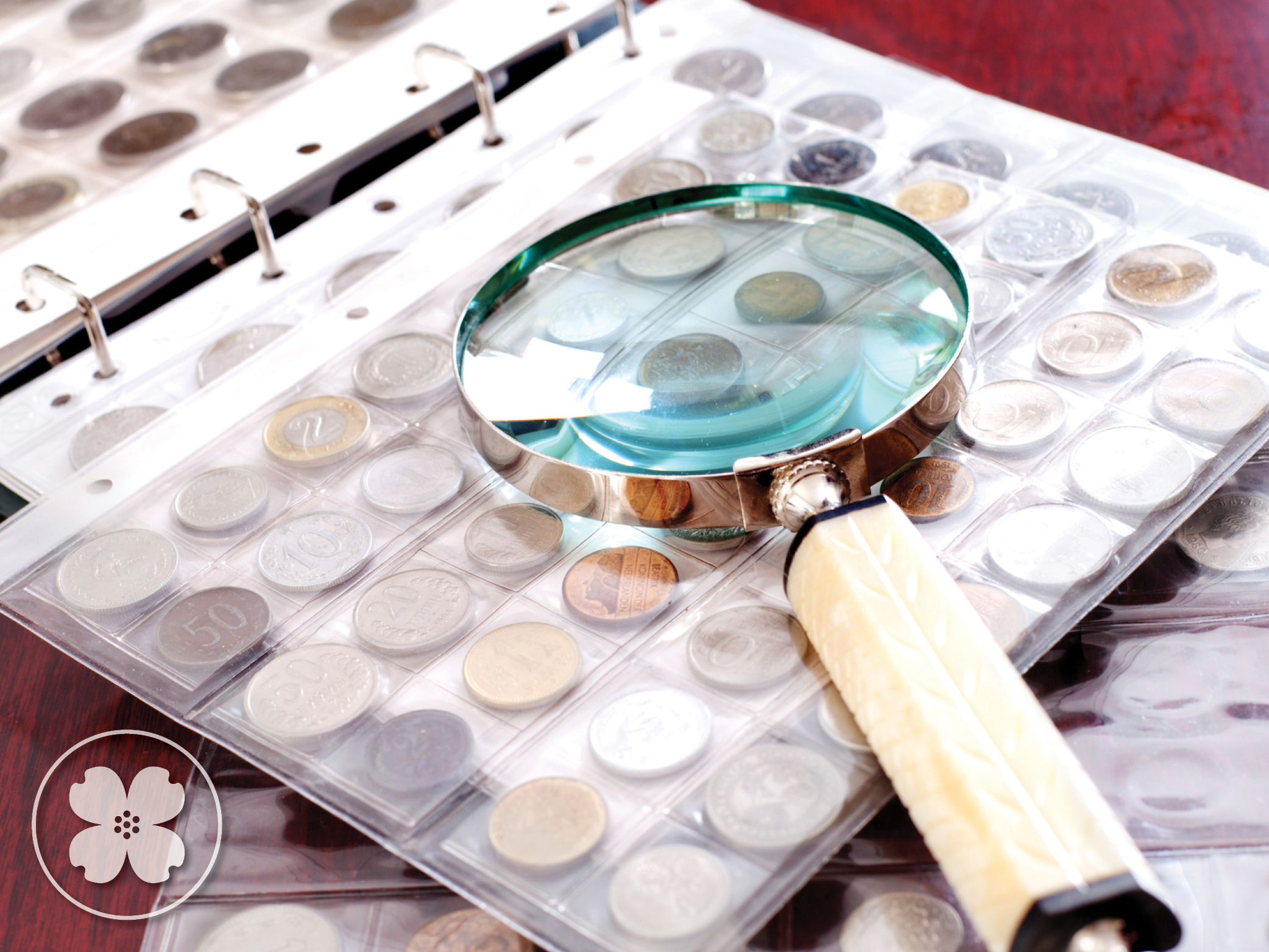
Whether it is coins, antiques, memorabilia, or rare books, a collection reflects a lifetime of passion and deserves thoughtful planning to preserve its value, meaning, and legacy. Individuals create collections for various reasons, many of which are deeply personal rather than strictly motivated by an item’s monetary value. Because of these personal ties and potentially niche interests, collections can be tricky for heirs to navigate when their loved one passes away.
For this reason, planning for the legacy of a collection is just as important as creating it. Planning can also help heirs answer the question of what happens to the collection when the curator is no longer around. With a bit of foresight and planning, a collection can endure as a meaningful legacy.
Creating an Inventory to Capture Value and Meaning
An essential first step to guiding heirs as to how a collection should be treated upon the curator’s passing, is to list the potential areas of value in the collection. Identifying and articulating these values is critical to ensuring that the collection is preserved and passed along with appropriate care. The resulting inventory should include a description of the item, its original cost, insurance records, and restoration history. However, just as important, are personal notes about the items. These notes provide contextual details and stories that give a bit more insight into why the item is important and why it earned a spot in the collection in the first place.
These narratives transform an inventory from a ledger into a meaningful guide, offering heirs insight that pure financial records cannot capture. This information can be exactly what loved ones need to help with their decision on how to treat the collection in the future.
Discussing Goals and Options with Loved Ones
It is also helpful to have a conversation with loved ones about goals for the collection. Speaking with heirs can help the curator determine whether anyone may be interested in continuing their work in maintaining or further expanding the collection. In many cases, if loved ones do not share the curator’s enthusiasm or simply lack the capacity to care for the collection, there are other options available to ensure others can enjoy the items in the collection.
Items can be donated to a museum or institution ensuring broader appreciation and long-term preservation. Lifetime gifts or strategic sales may also serve broader family, or philanthropic goals. Communicating these intentions during one’s lifetime fosters clarity, reduces the potential for future conflict, and ensures that heirs are prepared to honor the curator’s wishes.
Using Estate Planning Tools to Protect Your Collection
Estate planning tools further strengthen this process. Trusts can provide a flexible framework for transferring collections in a manner that balances control, tax efficiency, and legacy objectives. Naming a trustee with specialized knowledge or access to experts helps ensure that the collection is managed and transitioned appropriately. Specific bequests within estate documents can also guarantee that items are directed to the intended recipients. Engaging with qualified legal and tax professionals is critical to structuring these approaches and ensuring that both financial and personal goals are achieved.
Leaving a Lasting Legacy Through Thoughtful Planning
Ultimately, a collection is far more than a series of objects. It is a legacy of passion, dedication, and meaning. With proper planning a collection can extend its influence and significance well beyond the life of its curator, offering continued value for years to come.
Related Articles